
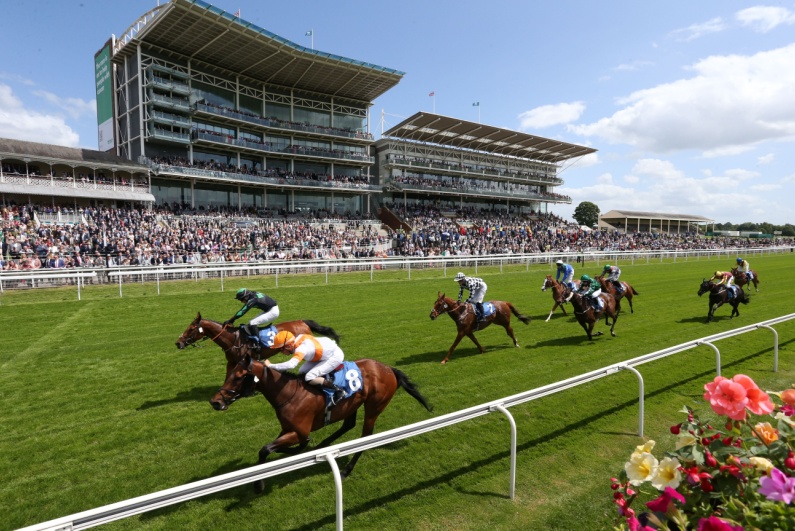
The Current State of UK Horse Racing: What’s Not Happening
Horse racing has long been a popular sport in the UK, with a rich tradition and a dedicated following. However, certain events and races are not happening as expected, causing concerns among fans and stakeholders. Prominent organizations and sports bodies have had to make difficult decisions recently, changing the landscape of UK horse racing. If you’re interested in learning more about the overall situation, you can visit UK Horse Racing Not on GamStop cosc-cumbria.org.uk for further insights. In this article, we will delve into the reasons behind these cancellations or disruptions, along with their implications for the horse racing community.
Historical Context of UK Horse Racing
Horse racing in the UK dates back several centuries, with roots intertwined in British culture. From the days of King Charles II, when royal patronage elevated the sport’s status, to the present, racing has evolved significantly. Events like The Grand National, Royal Ascot, and the Epsom Derby have become iconic. However, unforeseen circumstances such as the COVID-19 pandemic have disrupted the regular schedule of races. This has raised questions about the future of the sport in terms of public engagement, financial stability, and overall growth.
Current Factors Impacting Races
There are several reasons why certain horse races might be “not on” at present. Let’s break down these factors:
1. Pandemic-Related Restrictions
Despite vaccines becoming widely available, the lingering effects of the pandemic are still felt across the UK. Some horse racing events face restrictions based on local regulations, impacting the ability of spectators to attend. The impact on ticket sales has been significant, leading to the postponement or cancellation of races.
2. Weather Conditions
Weather can significantly impact race schedules. Heavy rainfall, snow, or extreme heat can lead to unsafe track conditions. The British Horse Racing Authority (BHA) often has to make quick decisions to ensure the safety of horses and jockeys, which can sometimes result in races being canceled just hours before they are scheduled to begin.
3. Equine Health & Welfare Concerns
Ensuring the health and well-being of racehorses is paramount. If there are outbreaks of illness among horses or significant injuries reported, the racing authorities may decide to cancel upcoming events. This decision is always made with the best interests of the horses in mind, as welfare concerns take precedence.
Economic Impact of Canceled Races
The financial ramifications of not holding races can be profound. Many local businesses, from hospitality to transport services, rely on race days to generate income. Players in the betting industry are also affected, as their revenue is directly linked to the number of races available to wager on. Losses associated with race cancellations make it crucial for stakeholders to adapt and consider alternative measures, such as virtual races or online betting during these challenging times.
The Future of UK Horse Racing
As changes unfold, both fans and participants need to be hopeful for a brighter future in UK horse racing. Initiatives to ensure horse welfare and make the sport more accessible to the public are being discussed. Furthermore, engaging with digital media and technology to create virtual racing experiences may keep fans connected during disruptions. Also, authorities are exploring ways to bolster the financial stability of the industry to withstand future shocks.

Community Support
The passion of horse racing fans is unmatched. Many are actively involved in community initiatives aimed at promoting the sport and ensuring its longevity. Social media platforms allow supporters to unite and voice their concerns, paving the way for enhanced engagement and keeping the spirit of racing alive even when actual events may not be happening.
Conclusion
The current landscape of UK horse racing is undoubtedly affected by various factors leading to certain races being “not on.” However, there is potential for innovation and transformation within the industry to adapt to these changes. By understanding the underlying factors and supporting local businesses and initiatives, racing fans can continue to contribute positively to the sport’s future, ensuring that it remains an integral part of UK culture and entertainment.