

Understanding Access Request: Your Guide to Data Management and Privacy
An Access Request is a formal request made by individuals or entities seeking permission to access specific information or data held by an organization. This can pertain to personal data, corporate information, or sensitive materials protected by privacy laws and regulations. In today’s digital age, where data is abundant and breaches are common, understanding Access Requests is crucial. This article delves deep into the concept of Access Requests, their significance, and how they operate within legal and organizational frameworks. For those interested in understanding the nuances further, you can learn more about Access Request by exploring relevant resources.
What is an Access Request?
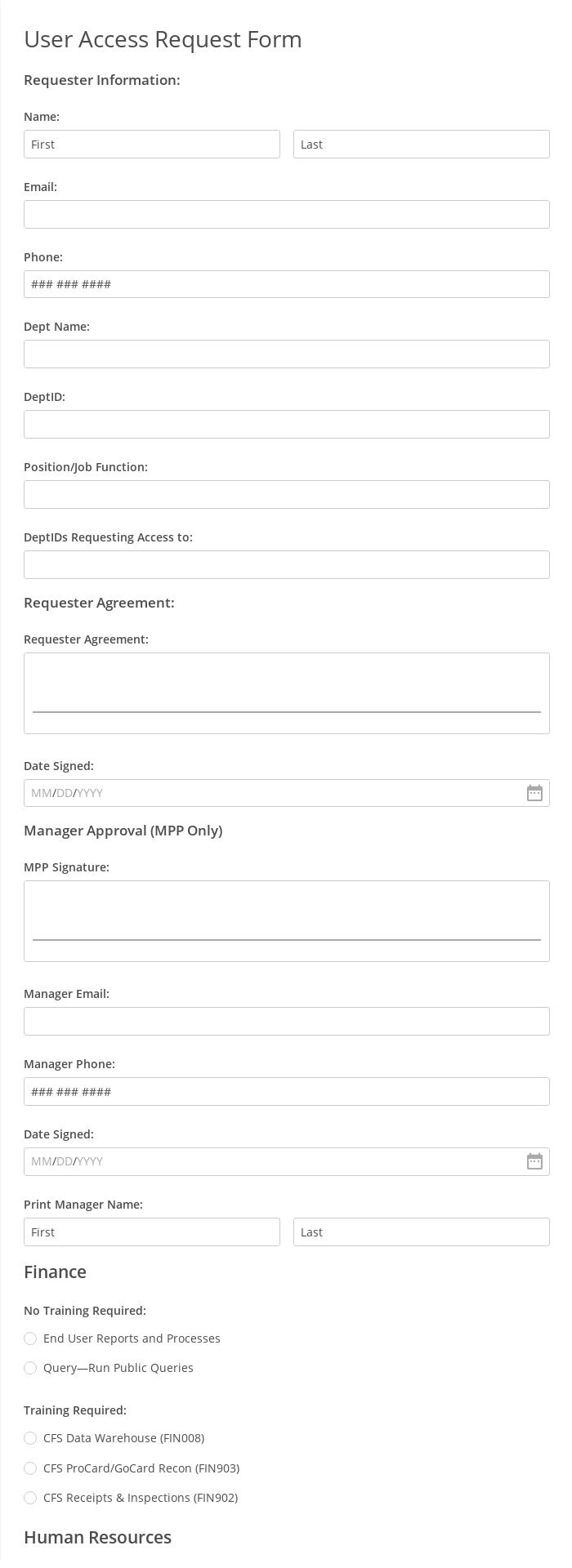
At its core, an Access Request is a mechanism that allows individuals to seek permission to access data or information in a structured and legal manner. This could involve data held by businesses, government agencies, or any other organizations that manage personal and sensitive data. Access Requests are often governed by legislation such as the General Data Protection Regulation (GDPR) in Europe, which provides individuals the right to access their data and understand how it is being processed.
The Importance of Access Requests
Access Requests serve several vital functions in today’s information-driven world:
- Transparency: They promote transparency by informing individuals how their data is used, stored, and processed.
- Accountability: Organizations can be held accountable for their data management practices, ensuring compliance with laws and regulations.
- User Empowerment: Access Requests empower users by granting them control over their personal information.
- Trust Building: By allowing customers to request access to their data, companies can build trust and foster better relationships.
The Process of Submitting an Access Request
The process of submitting an Access Request can vary slightly depending on the organization and the governing laws, but the general steps are widely similar:
- Identify the Data: Clearly define what information you wish to access.
- Check Policies: Review the organization’s privacy policy to understand how they handle Access Requests.
- Draft the Request: Write a formal request, including relevant details such as your identity, the data you are requesting, and your reason for the request.
- Submit the Request: Send the Access Request to the designated contact point or department in the organization.
- Follow Up: If you do not receive a response within the stipulated time frame, consider following up to ensure your request is being processed.
Best Practices for Organizations Handling Access Requests
Organizations have a responsibility to handle Access Requests efficiently and in accordance with legal standards. Below are some best practices organizations should follow:
- Establish Clear Protocols: Organizations should have well-defined protocols for receiving and processing Access Requests to ensure consistency.
- Train Staff: Staff members who handle Access Requests should be trained to respond professionally and in compliance with legal standards.
- Document Requests: Proper documentation of requests and responses is essential for accountability and audit purposes.
- Timely Response: Organizations should aim to respond to Access Requests within the legally required time frame.
- Regular Review of Practices: Periodically review and update data handling and Access Request practices to ensure alignment with current laws and best practices.
Challenges in Handling Access Requests
While Access Requests play a vital role in data management and privacy, organizations often face challenges in handling them effectively:
- Resource Constraints: Some organizations may struggle with limited resources to handle incoming requests promptly.
- Complexity of Data: Accessing certain data may be complex due to the way it is organized or stored, making it difficult to fulfill requests.
- Legal Compliance: Navigating the legal requirements surrounding Access Requests can be challenging for many organizations, especially for those operating in multiple jurisdictions.
- Data Protection Concerns: Organizations must also consider the implications of sharing sensitive information when responding to Access Requests.
Conclusion
Access Requests serve as a foundational pillar in the management and protection of personal data. They empower individuals, promote transparency, and ensure that organizations remain accountable for their data practices. As digital privacy continues to evolve, understanding the nuances of Access Requests will be crucial for individuals and organizations alike. By following best practices and establishing clear protocols, organizations can manage Access Requests effectively while fostering trust and transparency with their clients and stakeholders.